Fastest way from Milan to Rome: Flight, about 1h 10min (from €60). Cheapest: Bus, from €6 (about 7h 25min – 8h 35min). Main companies selling this route on 12Go (checked on October 27, 2026): NTV, Alitalia, FlixBus; main departure point: Milano Centrale.
There are 3 ways to get from Milan to Rome
Select an option below to see the route details and compare prices. Secure booking via our partner 12go.asia.
Companies selling this route on 12Go
Offers listed on 12Go on October 27, 2026 for a departure on November 17, 2026. Timetables and prices change with the date: check them before booking.
| Company | Mode | Departs from | From | Offers |
|---|---|---|---|---|
| Trenitalia | Train | Milano Centrale | €39 | 8 |
| NTV | Train | Milano Centrale | €58 | 82 |
| Itabus | Bus | Milan Via Giuseppe Impastato | €6 | 10 |
| FlixBus | Bus | Lampugnano Bus Terminal | €6 | 21 |
| Marino | Bus | Milan | €49 | 2 |
| Wizz Air Malta | Flight | Milan Malpensa Airport | €40 | 2 |
| Alitalia | Flight | Milano Linate Airport | €63 | 24 |
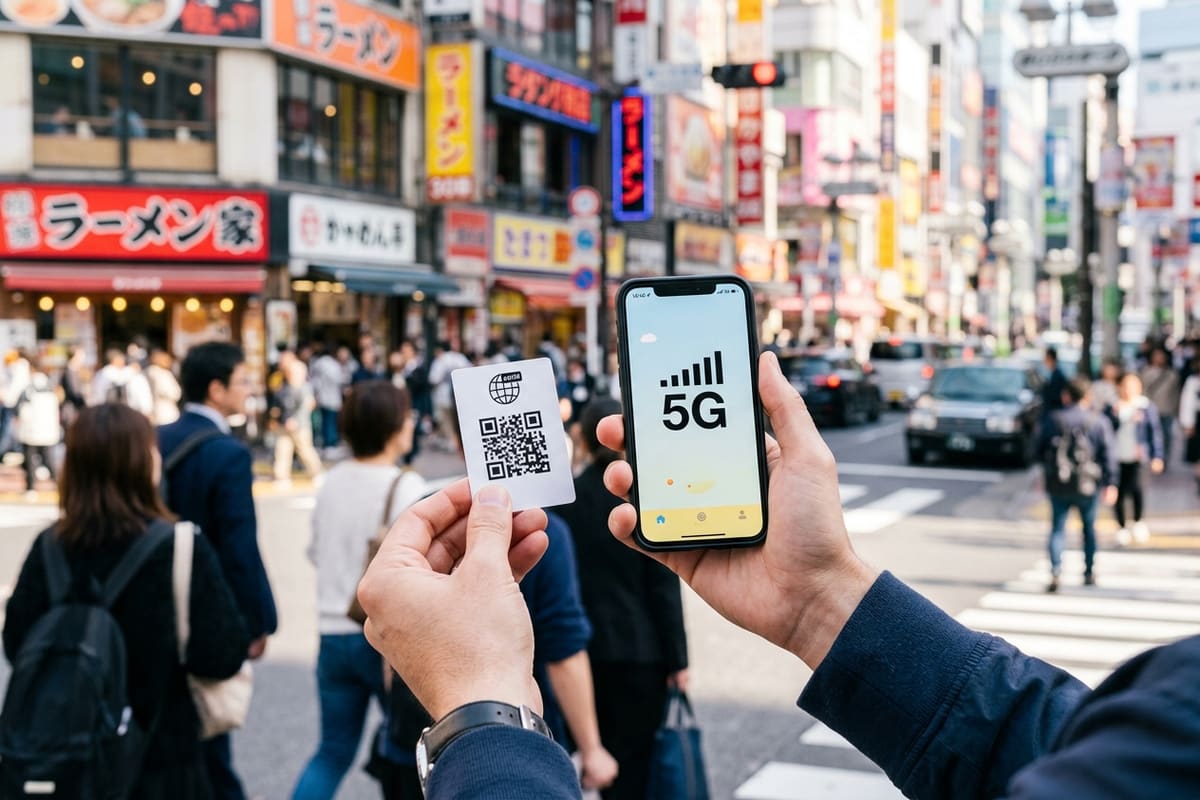
Activate an eSIM before you go: internet the moment you land, no SIM to swap, zero roaming fees.
Practical tips
High-speed fares rise as the departure date approaches. Book a few weeks ahead, especially in high season and on Friday and Sunday, to avoid paying the full last-minute fare for the same seat.
Both companies run this line with different fares and schedules. Check both before paying, as one may be noticeably cheaper at your preferred time, and look at the flexibility of each fare type.
Most trains arrive at Roma Termini, but some stop at Roma Tiburtina. Check the arrival station on your ticket and your hotel's location, so you do not end up on the wrong side of the city.
The coach is the cheapest choice, but it makes for a very long day. It works well for tight budgets or an overnight trip, less so if you have limited time or a tight schedule in Rome.
A flight looks quick, but airport transfers, security and baggage rules add up. Flying makes sense mainly for a cheap fare or a connecting flight; otherwise the train is usually the easier choice.
The journey experience
Milan to Rome is one of Italy's busiest corridors, and the good news is that the choice is simpler than it looks. For most independent travellers, the high-speed train is the obvious answer: it runs city centre to city centre and needs no airport transfers. The table on this page lets you compare train, flight and coach side by side on time, price and frequency.
Two companies, Trenitalia (Frecciarossa) and Italo, compete on this line, which keeps departures frequent and fares reasonable when you book ahead. Both offer reserved seats, power sockets, Wi-Fi and space for luggage. Flying is an option with several daily connections, but airport transfers and check-in eat into the time saved. The coach is by far the cheapest way to travel and suits flexible travellers on a tight budget, though it is a long day on the road and less comfortable than the train.
Our advice: book the train a few weeks ahead, compare both companies, and avoid buying on the day, when the best fares are gone. Double-check the station name on your ticket, as both cities have more than one. Milan Centrale is the main departure point, and in Rome most trains stop at Roma Termini, with some also calling at Tiburtina. Whichever option you choose, you will get there without stress.
Frequently asked questions — Milan → Rome
The high-speed train is far faster, taking about 3 hours (2 h 55 to 3 h 20) city centre to city centre. The coach takes roughly 7 to 9 hours. The coach is much cheaper, but the train saves most of a day and is more comfortable.
Train tickets start from €39 and typically go up to €64, depending on the company (Trenitalia or Italo), the time of day and how far ahead you book. Booking early is the best way to get the lowest fare, as prices rise close to departure.
The coach is the cheapest option, from €6 and typically up to €12. It is a good choice if budget matters more than time, but the journey takes roughly 7 to 9 hours, so many travellers prefer to pay a little more for the train.
For most travellers the high-speed train is the best choice: about 3 hours, from €39, centre to centre. A flight takes around 1 hour 10 from €60, but airport transfers reduce the advantage. The coach is only worth it on a very tight budget.
Trains usually leave from Milano Centrale, the city's main station, though some services may use other Milan stations. In Rome, most arrive at Roma Termini. Always check the station names on your ticket before travelling.
Why visit Rome?
- ✓ Explore the Colosseum, Roman Forum and Palatine Hill with a skip-the-line combined ticket
- ✓ Admire Michelangelo's Sistine Chapel ceiling and climb the dome of St. Peter's Basilica
- ✓ Toss a coin into the Trevi Fountain early in the morning, before the crowds arrive
- ✓ Wander the cobblestone lanes of Trastevere and dine on cacio e pepe in a family-run trattoria
- ✓ Walk the ancient Appian Way by bike and descend into the catacombs
When to visit Rome?
MEDITERRANEAN CLIMATE
April to June and September to October — mild, sunny weather, with far less heat than the crowded July-August peak
What to do in Rome?
Local experiences, must-see sights and activities selected for you
How long to visit Rome?
Plan 3 days to cover the essentials: ancient Rome (Colosseum, Forum, Palatine), the Vatican (Museums, Sistine Chapel, St. Peter's) and the historic centre (Pantheon, Trevi, Piazza Navona). With 4 to 5 days you can add Trastevere, Villa Borghese, the Appian Way and a day trip to Ostia Antica or Tivoli. Book Colosseum and Vatican tickets online several weeks ahead and start early to avoid queues and heat.
Related searches